Best Vitamins and Supplements for Adults Over 70
Nutrition & Health
Vital nutrients for your 70s and beyond
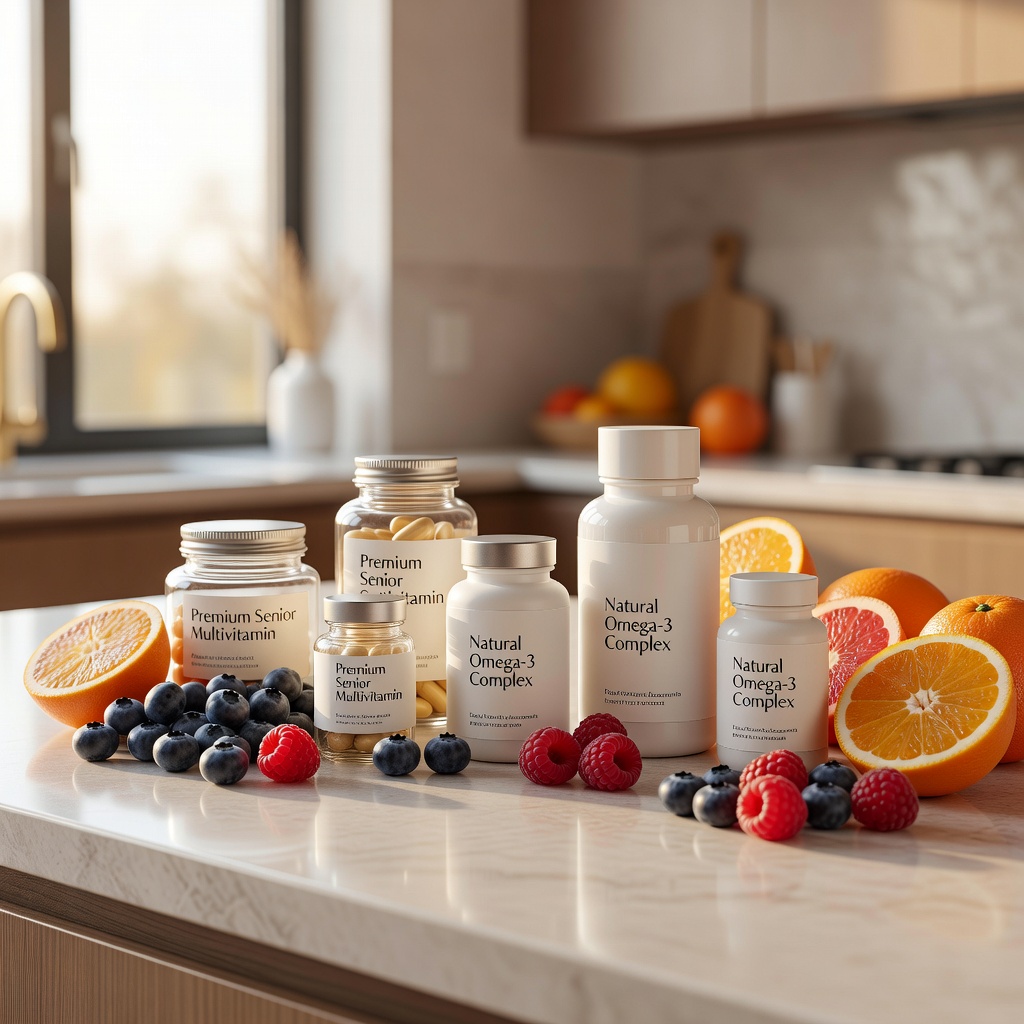
As we move into our 70s and beyond, our nutritional needs shift. The body absorbs some nutrients less efficiently, while others become more important for bone health, immunity, and brain function. Here are the vitamins and supplements that matter most at this stage of life — and why.
Medical Disclaimer
Always talk to your doctor before starting any new supplement. Some vitamins and minerals can interact with prescription medications or affect existing health conditions. A blood test is the best way to know which nutrients you actually need more of — supplementing blindly can do more harm than good.
Vitamin D + Calcium — For Bone Strength
Both become critical after 70. Vitamin D helps the body absorb calcium, and together they reduce the risk of fractures and osteoporosis.
- Aim for 800 to 1,000 IU of vitamin D daily (many seniors need more than the standard recommendation)
- Look for vitamin D3 — it is better absorbed than D2
- Calcium needs are around 1,200 mg per day, ideally from food first, then supplements to fill the gap
- Take them together for best absorption
Vitamin B12 — For Energy and Nerve Health
B12 absorption naturally declines with age because the stomach produces less acid needed to extract it from food. Low B12 can cause fatigue, memory issues, and tingling in hands and feet.
- The synthetic form in supplements and fortified foods is actually easier for older adults to absorb than B12 from meat
- A daily dose of 25 to 100 mcg is typical
- Ask your doctor about B12 injections if your levels are very low
Magnesium — For Sleep, Muscles, and Heart Rhythm
Magnesium supports over 300 processes in the body. Many older adults don't get enough from diet alone.
- Helps with muscle cramps, restless legs, and sleep quality
- Also supports healthy blood pressure and steady heart rhythm
- Magnesium glycinate is gentle on the stomach and well absorbed
- 200 to 400 mg per day is a common range
Omega-3 Fatty Acids — For Brain and Heart
These healthy fats from fish oil help fight inflammation and support cognitive health. Some studies suggest they may slow age-related memory decline.
- Look for a combined EPA and DHA of at least 500 mg per day
- Fish oil or algae-based capsules both work
- If you take blood thinners, check with your doctor first — omega-3s can have a mild blood-thinning effect
Coenzyme Q10 (CoQ10) — For Cellular Energy
The body produces CoQ10 naturally, but levels drop with age. It plays a key role in energy production and heart health.
- Especially important for seniors taking statin medications, which can deplete CoQ10
- Typical dose is 100 to 200 mg per day
- The ubiquinol form is absorbed better than standard CoQ10
Zinc — For Immune Defense
Zinc helps the immune system fight off viruses and bacteria. Older adults are more prone to zinc deficiency, which can weaken immunity and slow wound healing.
- 15 to 25 mg per day is adequate for most seniors
- Do not exceed 40 mg per day long-term — too much zinc can interfere with copper absorption and actually weaken immunity
- Best taken with food to avoid stomach upset
Potassium — For Blood Pressure and Muscle Function
Potassium helps counteract the effect of sodium on blood pressure and supports proper muscle and nerve function.
- Most seniors should aim for 2,600 to 3,400 mg per day from food sources
- Bananas, potatoes, spinach, beans, and avocados are excellent sources
- Potassium supplements should only be taken under a doctor's supervision — too much can be dangerous for the heart
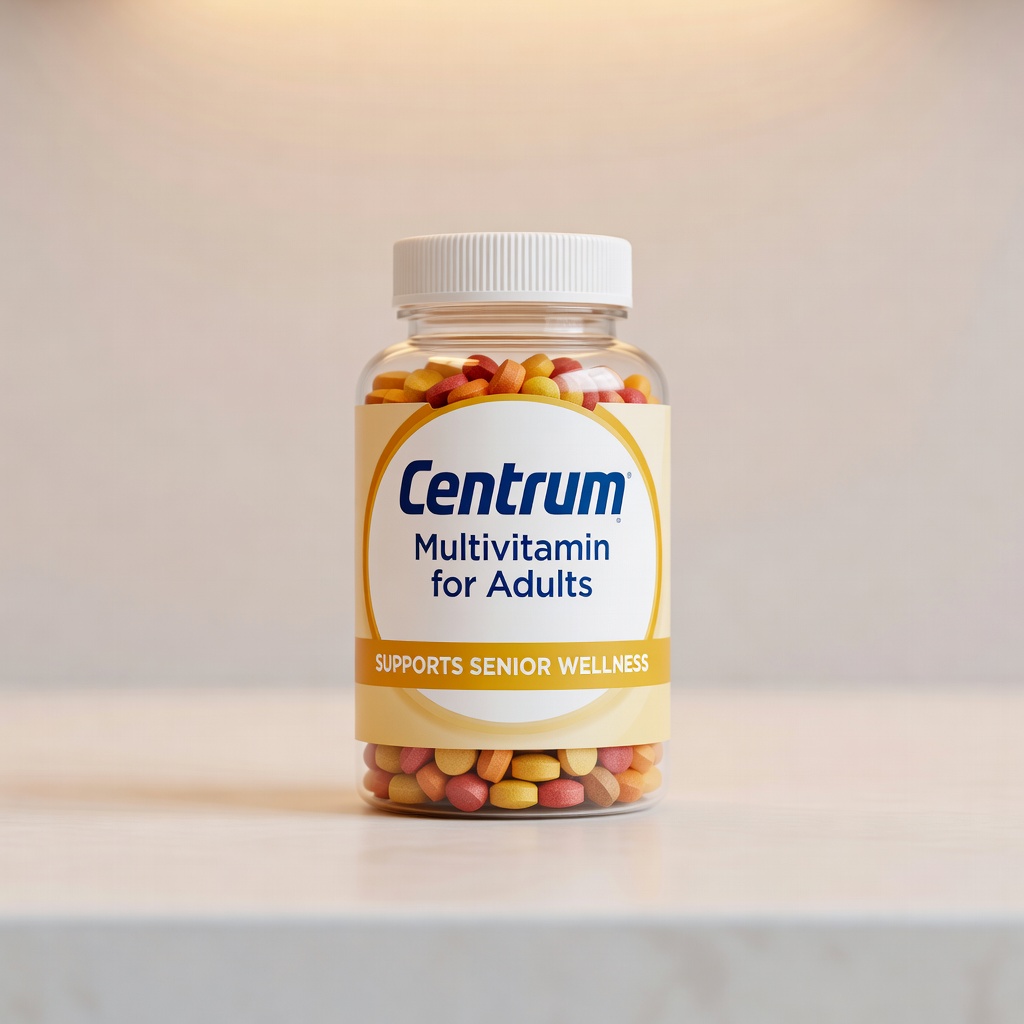
Our Pick: Centrum Multivitamin for Adults
While getting nutrients from food is ideal, a high-quality multivitamin acts as a reliable nutritional safety net. This Centrum formula is specially designed for adults 50+, packing 23 essential vitamins and minerals into one daily tablet. It specifically targets heart health, brain function, and bone strength — many of the key areas we discussed above.
As an Amazon Associate, we earn from qualifying purchases.
Food First, Supplements Second
The best source of nutrients is always a varied diet rich in vegetables, fruits, lean proteins, and whole grains. Supplements are exactly what the name suggests — they supplement a healthy lifestyle, not replace it. With the right combination of good food and targeted supplements, your 70s and beyond can be some of your healthiest years yet.
Related Products We Recommend
A few helpful items that pair well with the advice above. As an Amazon Associate, we earn from qualifying purchases.
Centrum Silver Multivitamin for Adults 50+
Complete multivitamin with 23 essential nutrients specifically designed for adults over 50.
Check Price on AmazonVitamin D3 + Calcium Supplement
Support bone strength and immune health with this essential nutrient combination.
Check Price on AmazonHigh Absorption Vitamin B12
Methylcobalamin B12 for energy support, nerve health, and brain function.
Check Price on AmazonWeekly Pill Organizer AM/PM
Stay organized with large, easy-to-read compartments for morning and evening medications.
Check Price on AmazonSupporting Your Wellness Journey
Navigating nutrition in your 70s doesn't have to be complicated. Our goal is to provide clear, science-backed information that empowers you to make the best choices for your health.
Stay tuned for more guides on healthy aging, practical living tips, and wellness advice tailored just for you.
Vitality at every age.
View All Articles